Attention is a Political Act
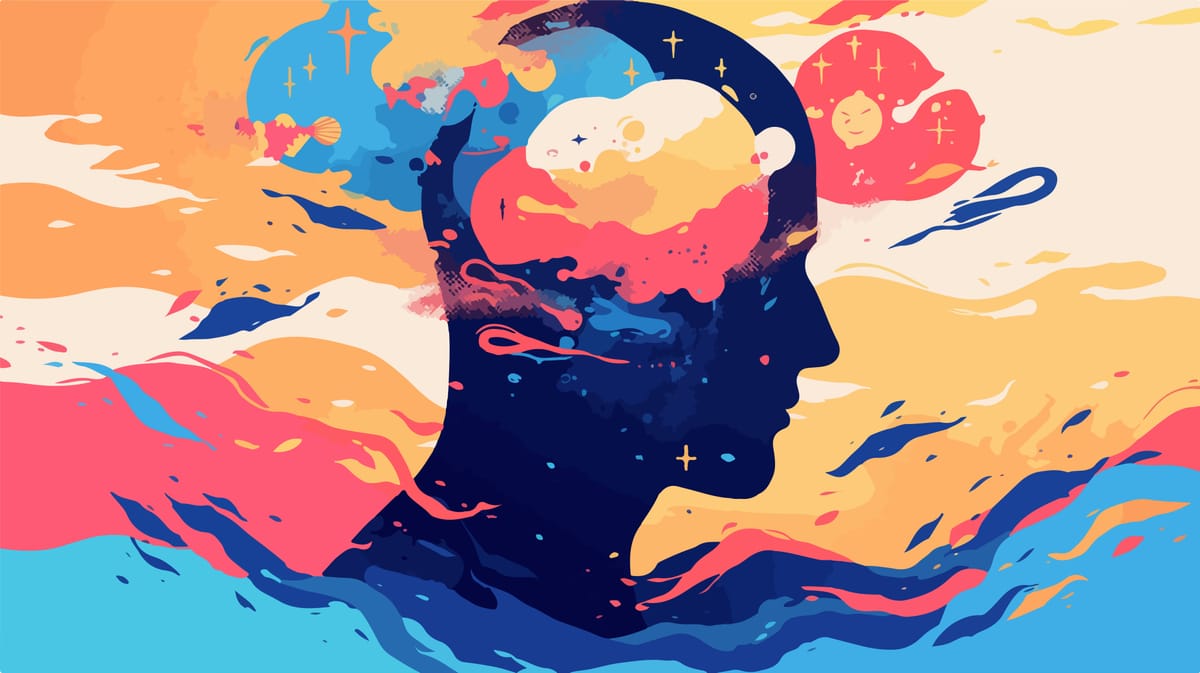
In a culture shaped by distraction, paying attention becomes an act of quiet rebellion. It is not simply a matter of focus or discipline—it is a decision about what matters, what is real, and what we allow to shape us.
Attention is currency. It is the most valuable resource we have, and nearly every institution, platform, and ideology is designed to extract it. This is not accidental. In a world built on acceleration and surveillance, attention is both the target and the terrain of modern power.
But attention is more than what we glance at. It is the architecture of perception itself—the frame through which we interpret experience, construct reality, and orient our inner world. To control attention is to shape thought, and to shape thought is to shape action.
So when we talk about attention, we are also talking about agency, identity, and autonomy. We are talking about sovereignty of mind.
The Economy of Distraction
We live inside an attention economy where every platform, every scroll, every notification is engineered to hijack our neural wiring. This isn’t a glitch. It’s a business model.
Social media thrives on outrage and impulsivity not because people are inherently unwell, but because anxious, reactive minds generate more data—and more revenue. The more distracted you are, the more profitable you become.
In this context, being distracted is not a personal failure. It is a systemic outcome.
But here’s the deeper problem: over time, distraction rewires us. It shrinks our attention spans, fragments our thinking, and erodes our ability to engage with anything complex, subtle, or slow. It rewards impulsivity over insight, performance over depth, certainty over inquiry.
It trains us to consume rather than contemplate.
What You Pay Attention To, You Become
Where your attention goes, your reality follows. This is not spiritual sentiment—it’s neurological fact. Attention sculpts the brain. It forms your memory, your sense of time, your emotional baseline. It determines what you care about and how deeply.
To attend to something is to give it meaning. When you pay attention to violence, your nervous system absorbs it. When you pay attention to beauty, your imagination expands. Attention is not neutral. It is world-making.
This is why attention is inherently political: because it determines what is visible, and what is invisible. What is named, and what is ignored. What is urgent, and what is allowed to decay.
In a democracy, who gets attention shapes who gets power. In personal life, what gets attention shapes what grows in your psyche.
So the question isn’t just: Where is your attention going?
The question is: Who benefits from your attention being there?
The Hidden Violence of Fractured Minds
We are trained to treat scattered attention as harmless. But it has consequences—quiet, cumulative, and profound.
A mind that cannot rest cannot think.
A mind that cannot focus cannot discern.
A mind that is always reacting cannot reflect.
This is not a matter of productivity—it’s a matter of perception. Without sustained attention, we lose access to nuance. We default to binaries. We become susceptible to simplistic narratives, ideological manipulation, and the illusion of certainty.
In short: we become easier to manage.
This is how power operates today—not by suppressing speech, but by overloading it. Not by banning books, but by burying them under noise. The goal is not to convince you of a lie. The goal is to exhaust your ability to care.
Reclaiming the Mind
If attention is the most contested territory of the 21st century, then reclaiming your attention is a form of resistance. It is an act of cultural refusal and cognitive sovereignty.
This does not require moral purity or digital asceticism. It requires discernment.
It means choosing slowness over speed, depth over dopamine, thought over reaction. It means building environments—physical and digital—that support contemplation rather than fracture. It means treating your attention as sacred, not scarce.
And most importantly, it means recognizing that attention is not just about what you look at—it’s about what you are in relationship with.
When we attend to something with care, it changes us. It reveals new dimensions of thought, new textures of experience. It enlarges our world.
Attention as a Form of Love
Simone Weil once wrote that “attention, taken to its highest degree, is the same thing as prayer.” In that spirit, attention is not only political—it is also relational. Ethical. Even spiritual.
To give true attention to another person, a difficult idea, a work of art, a moment of silence—that is to step outside the algorithm and back into reality.
It is to choose presence in a culture of absence.
It is to become human again.
In the end, attention is not just something we have. It is something we practice—and something we offer.
And perhaps the most radical thing we can offer in an age of noise is not an opinion, or a performance, but our undivided, unmonetized attention.